Dredging plays a critical role in maintaining navigable waterways, managing stormwater systems, supporting flood control infrastructure, and protecting environmental health across Illinois. Rivers, lakes, reservoirs, detention basins, and industrial waterways all require periodic sediment removal to remain functional and compliant with safety and environmental standards.
Despite its importance, dredging in Illinois is not a simple construction activity. It is governed by a layered regulatory framework involving multiple state and federal agencies. Illinois dredging permits are required for most projects, and failure to secure the correct approvals can result in delays, enforcement actions, or costly redesigns. Effective dredging project planning in Illinois requires early coordination, technical documentation, and a clear understanding of jurisdictional boundaries.
This guide clarifies the permitting process, explains how regulatory oversight works, and outlines how proper planning supports compliance and successful project execution before work begins.
Understanding the Regulatory Landscape for Dredging in Illinois
What Are Dredging Regulations in Illinois?
Dredging regulations in Illinois are the combined state and federal rules governing sediment removal activities in public waters, floodways, wetlands, and navigable waterways. These regulations are intended to protect water quality, prevent flooding impacts, preserve aquatic habitats, and ensure public safety.
Oversight is shared among several agencies, each with a defined role:
- The Illinois Department of Natural Resources oversees construction and dredging activities in public waters and floodways through its Division of Water Resource Management.
- The U.S. Army Corps of Engineers regulates dredging under federal authority when projects affect navigable waters or waters of the United States.
- The Illinois Environmental Protection Agency ensures that dredging activities comply with state water quality standards.
These agencies coordinate reviews to ensure dredging activities do not increase flood risk, degrade water quality, or harm regulated aquatic resources. Understanding how dredging regulations in Illinois are applied across agencies is a foundational step for any project.
State and Federal Jurisdiction: What’s the Difference?
Illinois dredging projects often fall under both state and federal jurisdiction. State authority generally applies to work in rivers, lakes, streams, and floodways within Illinois boundaries, while federal jurisdiction applies when activities affect waters classified as waters of the United States.
IDNR permits typically address hydraulic impacts, floodway alterations, and public waterway protections. Federal permits issued by the Corps focus on navigability, impacts on aquatic resources, and compliance with the Clean Water Act. Projects that cross jurisdictional thresholds require coordination among agencies, making Illinois dredging permits more complex than single-agency approvals.
Understanding when federal permits are triggered is essential during dredging project planning in Illinois, particularly for projects connected to major rivers, harbors, or interstate waterways.
Illinois Dredging Permits: What You Need to Know
Types of Permits Required
Most dredging projects require a combination of state and federal approvals. Illinois dredging permits vary depending on location, material type, disposal method, and project scale.
- State Permits
IDNR issues permits under Part 3704 and related public waters and floodway construction rules. These permits regulate dredging in rivers, lakes, and designated floodways. Some low-impact projects may qualify for statewide or general permits, while larger or more complex projects require individual permit review.
Understanding which IDNR permit applies is essential to avoiding rework or rejection during the application process.
- Federal Permits
The Corps issues permits under Section 10 of the Rivers and Harbors Act and Section 404 of the Clean Water Act. Any dredging that involves navigable waters or placement of dredged material in regulated waters requires Corps authorization. These federal Illinois dredging permits are often reviewed concurrently with state permits.
- Water Quality Certification
IEPA Section 401 Water Quality Certification confirms that dredging activities will not violate Illinois water quality standards. This certification is mandatory when federal permits are required and is a frequent source of delays if not addressed early.
Permit Application Process
Applying for Illinois dredging permits requires detailed documentation, including project drawings, sediment characterization, hydrologic and hydraulic analyses, and material disposal plans. Agencies evaluate whether the proposed work alters flow capacity, affects habitats, or introduces contaminants.
Review timelines vary but often extend several months, especially when multiple agencies are involved. Early coordination during the dredging project planning in Illinois significantly reduces approval time and revision cycles.
Fee Requirements
IDNR permit application fees typically range from approximately $200 to $5,000, depending on project scope and complexity. Federal permits may involve additional administrative costs. When multiple approvals are required, fees accumulate, reinforcing the importance of accurate scoping during planning.
Common Challenges in Permit Approval
Permit delays frequently result from incomplete sediment testing, unclear disposal methods, or inconsistent project drawings. Projects that cross jurisdictional boundaries are especially vulnerable to review complications. Engaging experienced professionals familiar with Illinois dredging regulations helps avoid these issues and keeps applications aligned with agency expectations.
Planning Your Dredging Project in Illinois
Early Project Planning: Key Steps
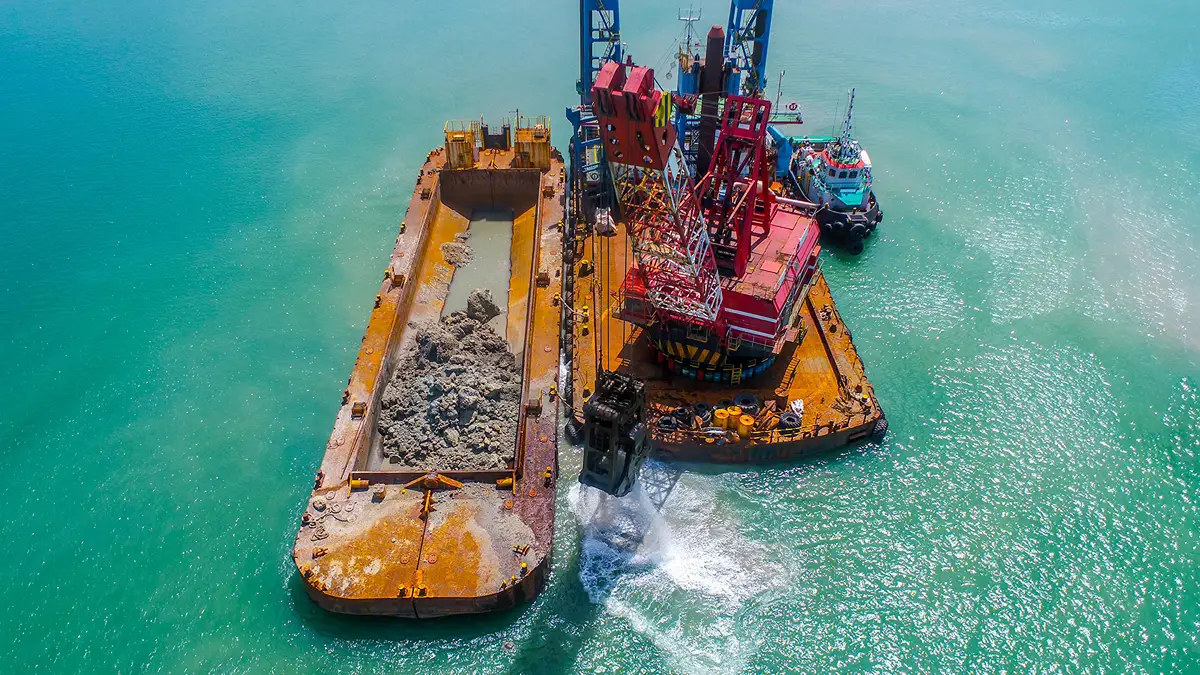
Effective dredging project planning in Illinois begins with site surveys, environmental assessments, and sediment sampling. Testing determines whether dredged material is suitable for reuse, confined disposal, or off-site treatment.
Project planners must also evaluate access routes, staging areas, equipment selection, and seasonal constraints. These factors directly influence permit conditions and scheduling.
Site-Specific Considerations
Each site presents unique regulatory challenges. Wetland boundaries, floodway zones, and protected species habitats must be identified early. Mechanical and hydraulic dredging methods have different regulatory implications under Illinois dredging regulations, affecting permit requirements and review complexity.
Mapping constraints allows planners to design efficient operations while remaining compliant.
Incorporating Regulatory Requirements into Your Plan
Permit conditions often include mitigation measures such as habitat restoration, erosion controls, or monitoring requirements. Integrating these conditions into dredging project planning in Illinois prevents costly changes after approval and ensures that construction aligns with regulatory commitments associated with Illinois dredging permits.
Sediment Management and Disposal Planning
Sediment management is one of the most scrutinized elements of any dredging operation. Agencies expect applicants to demonstrate not only how sediment will be removed, but how it will be handled, transported, treated, or disposed of once dredged.
Sediment characterization typically includes grain-size analysis, chemical testing, and evaluation of upstream historical land use. Industrial, urban, or agricultural watersheds often contain elevated levels of nutrients, hydrocarbons, or metals that affect disposal options. Clean sediment may be suitable for beneficial reuse, such as shoreline stabilization or habitat creation, whereas contaminated material may require a confined disposal facility or a licensed landfill.
Planning disposal logistics early prevents downstream delays. Transportation routes, dewatering locations, and staging areas must align with site constraints and environmental protections. Disposal plans that are vague or incomplete are a frequent cause of permit review extensions.
Seasonal and Environmental Timing Constraints
Timing restrictions are common in dredging approvals and must be factored into construction schedules. These restrictions are typically tied to fish spawning seasons, migratory bird nesting periods, or sensitive aquatic habitats.
Failure to account for seasonal work windows can result in approved projects that cannot mobilize as expected. For municipal or infrastructure-driven dredging, this can affect funding schedules, contractor availability, and public access planning.
Including a detailed construction sequence with seasonal considerations demonstrates agency awareness and improves confidence in project execution readiness.
Compliance Tips to Avoid Permit Delays
- Prepare Thorough Documentation
Complete applications include engineering drawings, environmental analyses, sediment data, and mitigation strategies. Pre-application meetings with agencies clarify expectations and reduce revisions to Illinois dredging permits.
- Understand Local and County Requirements
In addition to state and federal oversight, local floodplain authorities or county agencies may impose notification or review requirements. Overlooking these layers can delay projects even when primary permits are approved.
- Stay Updated on Regulatory Changes
Environmental regulations evolve as standards and enforcement priorities change. Staying current with Illinois dredging regulations ensures ongoing compliance for long-term or phased projects.
- Interagency Coordination and Communication Best Practices
Clear communication between project stakeholders and regulatory agencies significantly improves review efficiency. Agencies prefer coordinated submissions rather than fragmented or inconsistent documentation.
Best practices include:
- Assigning a single point of contact for agency correspondence
- Submitting consistent drawings and narratives across all applications
- Responding promptly and thoroughly to information requests
- Documenting all agency feedback and revisions
Proactive coordination reduces conflicting conditions and prevents last-minute design changes after approvals are issued.
- Risk Management and Enforcement Considerations
Non-compliance during dredging operations carries a significant risk. Inspections may occur during active work, and deviations from approved plans can trigger enforcement actions, stop-work orders, or civil penalties.
Common compliance risks include:
- Exceeding approved dredging limits
- Unauthorized material placement
- Inadequate erosion or turbidity controls
- Failure to follow monitoring or reporting requirements
Establishing internal compliance checklists and on-site oversight protocols helps ensure field activities remain aligned with approved conditions throughout construction.
Case Study: Coordinated Permit Success for a Municipal Dredging Project in Illinois
A mid-sized municipal dredging project in Illinois involved sediment removal from a stormwater retention basin that had lost capacity due to decades of accumulation. The basin played a critical role in flood mitigation for downstream neighborhoods, making schedule certainty a priority.
The project team initiated a dredging project planning in Illinois, including early site surveys and sediment testing to determine disposal options. Clean material was identified as suitable for beneficial reuse, simplifying disposal approvals. Pre-application meetings were held with state and federal reviewers to confirm jurisdiction and documentation requirements.
Permit applications were submitted with complete engineering drawings, environmental analyses, and a clearly defined construction sequence. Because agency expectations were addressed upfront, reviews proceeded without major revisions. All required Illinois dredging permits were issued within the anticipated review window, allowing construction to begin during the approved seasonal work period.
Key lessons from the project included the value of early coordination, thorough documentation, and proactive alignment with regulatory requirements. By treating permitting as an integrated planning task rather than a final step, the project avoided delays and met its flood-mitigation objectives on schedule.
Clear communication strategies, including public notices, construction timelines, and contact points for inquiries, help manage expectations and reduce opposition. While not always a regulatory requirement, stakeholder outreach often supports smoother project delivery.
Frequently Overlooked Planning Details
Several technical elements are commonly underestimated during early planning stages:
- Survey accuracy and datum consistency
- Utility crossings and buried infrastructure
- Temporary access improvements for heavy equipment
- Contingency allowances for sediment variability
- Long-term maintenance considerations after dredging
Addressing these items early reduces change orders and supports predictable construction outcomes.
Conclusion
Successful dredging projects in Illinois depend on careful planning, technical accuracy, and regulatory awareness. Illinois dredging permits are not procedural formalities but enforceable approvals that shape how and when work can proceed. Understanding Illinois dredging regulations and integrating them into project design reduces risk, controls costs, and protects project schedules.
With proper planning and experienced guidance, dredging projects can move efficiently from concept to completion while meeting all regulatory obligations.
Beyond compliance, effective dredging preparation protects project budgets, timelines, and long-term asset performance. Regulatory review is not simply an approval hurdle but a validation process that ensures dredging activities deliver their intended benefits without unintended impacts.
Consistently successful projects are built on accurate data, coordinated agency engagement, and disciplined execution. With the right technical approach and experienced support, dredging in Illinois can be completed efficiently, responsibly, and in full alignment with regulatory expectations.
Illinois Dredging provides professional support for permitting, planning, and execution of dredging projects statewide. Our team assists clients with Illinois dredging permits, regulatory coordination, and compliant project delivery. Contact Illinois Dredging today to discuss your project requirements, receive planning guidance, and request a detailed consultation or quote.