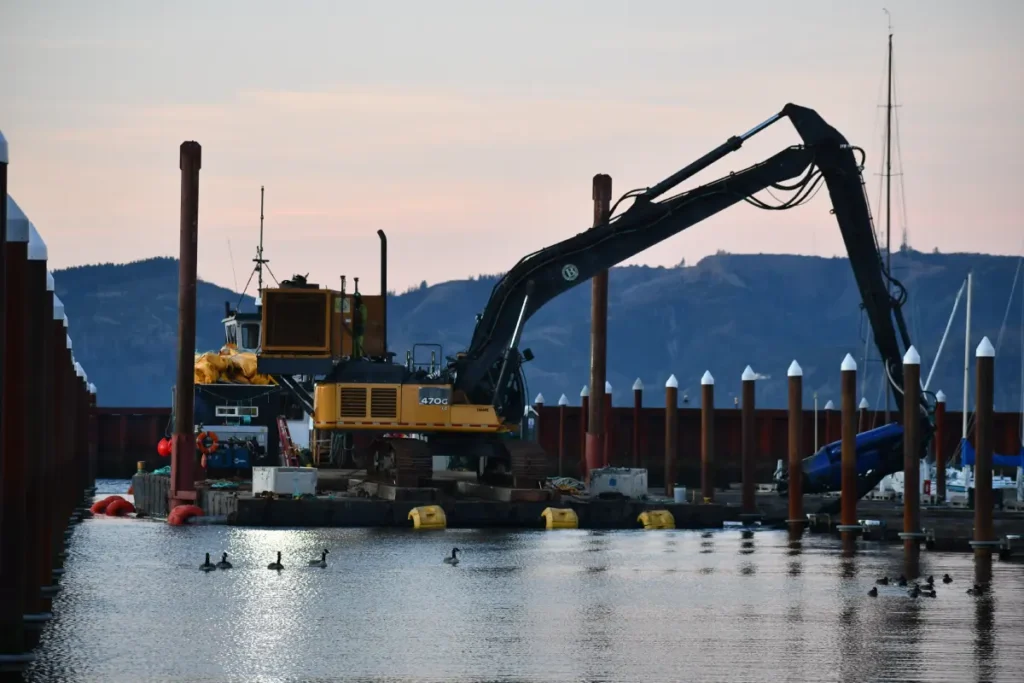
Dredging plays a critical role in maintaining Illinois waterways, supporting navigation, flood control, environmental restoration, and infrastructure resilience. From the Illinois River to urban channels in northern Illinois, dredging projects are often shaped by one consistent challenge: managing water content in dredged material. Excess water increases hauling costs, extends project timelines, complicates compliance, and strains staging areas, especially in populated or environmentally sensitive locations.
Efficient dewatering solutions for dredge material are no longer optional for modern projects. They are essential for keeping work on schedule, meeting regulatory expectations, and controlling overall costs. Contractors and project owners across the state are looking for methods that work with Illinois sediment conditions rather than against them.
This is where geotextile tubes have proven to be a scalable approach. These systems allow dredged slurry to be dewatered directly on site, reducing volume before transport or placement while maintaining environmental control. Over the past decade, geotextile tube dewatering has become increasingly common across Illinois dredging projects due to its flexibility and efficiency.
Illinois Dredging has built a strong reputation by applying geotextile tube systems correctly, safely, and in alignment with local conditions. With experience across rivers, harbors, marinas, and restoration sites, Illinois Dredging supports clients statewide with practical dewatering strategies that deliver real results.
Understanding Geotextile Tubes
What Are Geotextile Tubes?
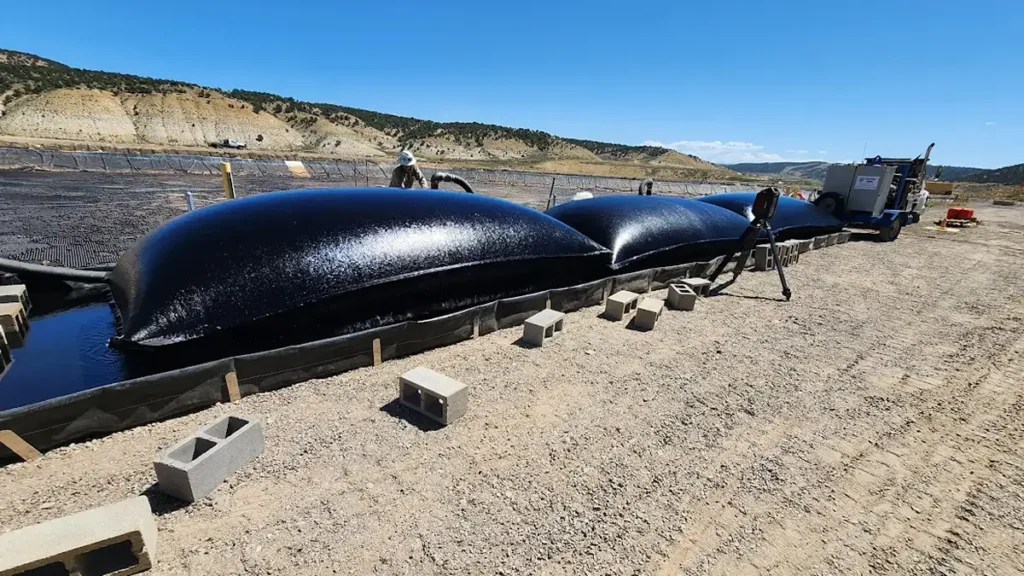
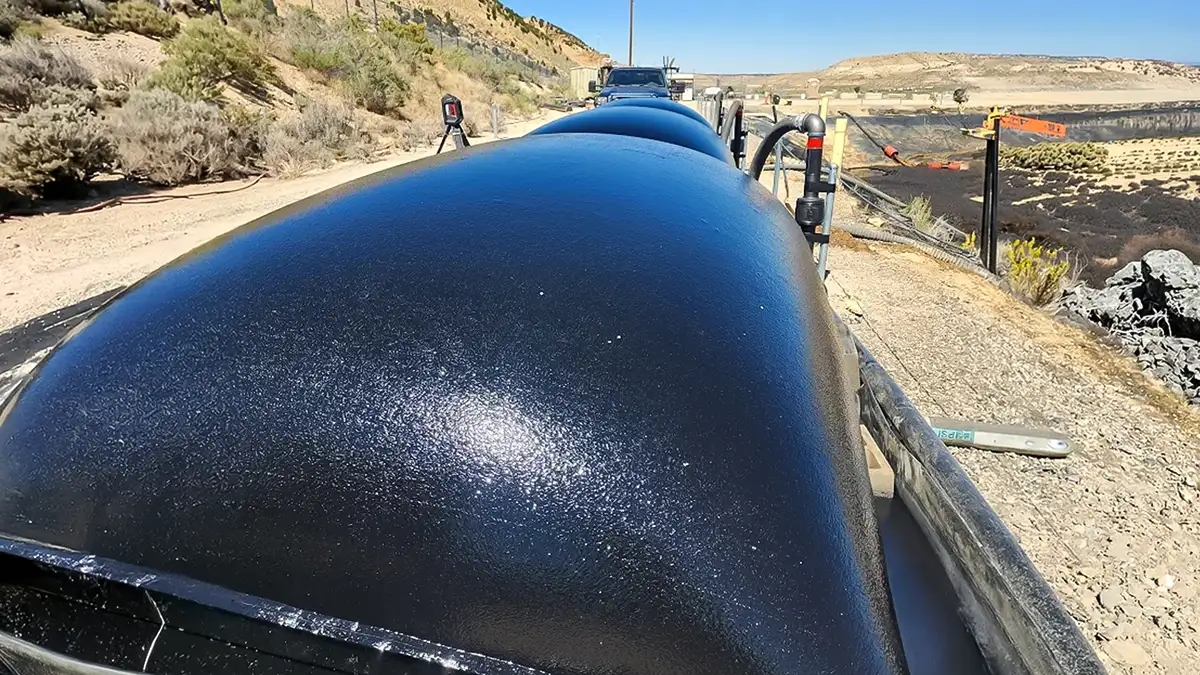
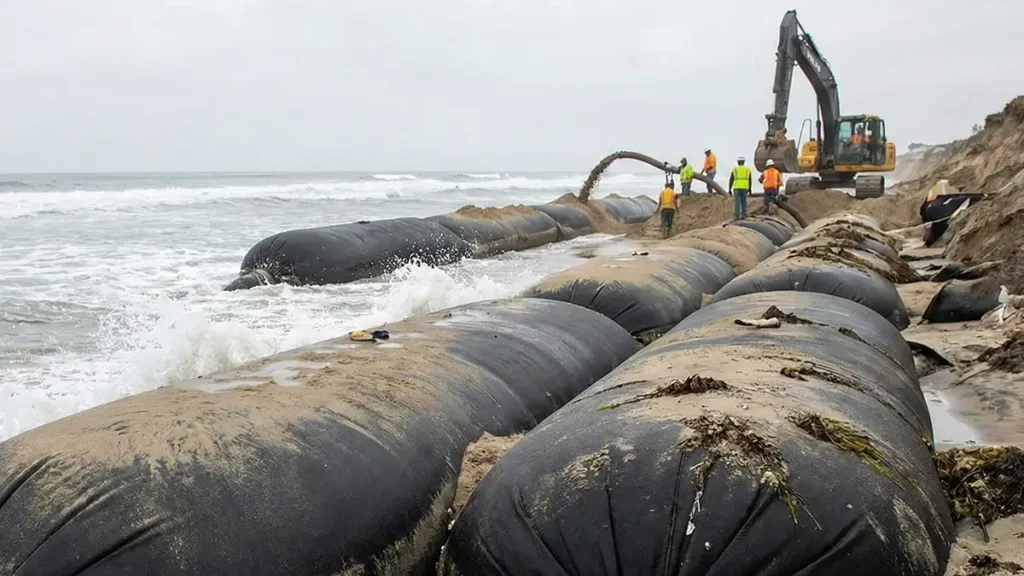
Geotextile tubes are high-strength fabric containment systems designed to dewater slurry and sediment. They are manufactured using permeable woven or nonwoven geotextiles that allow water to escape while retaining solids inside the tube. Once filled, the tube acts as a controlled filtration structure that supports the gradual consolidation of dredged material.
These systems are widely used as dredge material dewatering solutions because they reduce water content significantly before final handling. The fabric selection is tailored to sediment type, allowing fines such as silts and clays to be retained while water drains at a controlled rate.
How Geotextile Tubes Work?
The dewatering process begins when dredged slurry is pumped directly into the tube. As the slurry enters, solids settle and begin to compact while water exits through the fabric. Over time, additional pumping cycles increase solids concentration and improve consolidation.
The process occurs in stages rather than all at once. Initial drainage removes free water, followed by slower consolidation as pore water migrates out of the material. This gradual process makes geotextile tubes effective even with fine sediments commonly found in Illinois waterways.
Common Tube Configurations Used on Dredge Sites
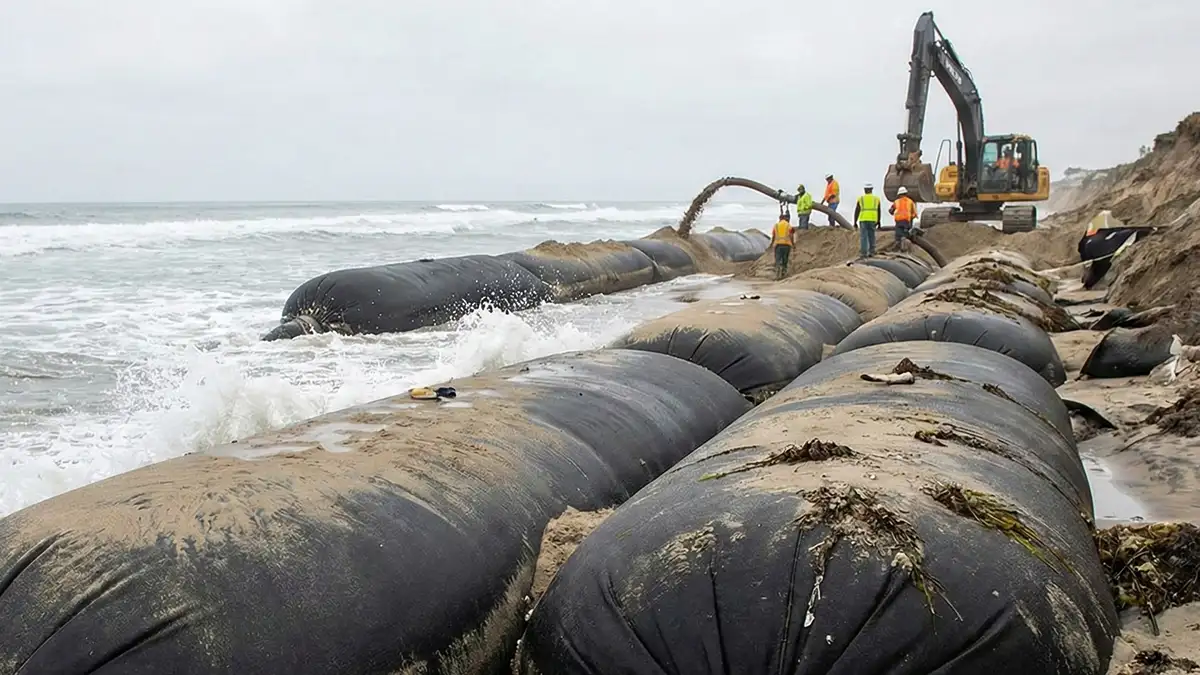
Geotextile tubes are available in a range of diameters and lengths, allowing systems to be scaled to match project needs. Smaller tubes are suitable for confined sites, while larger tubes are suitable for long-term or high-volume dredging work.
Single-tube layouts are common for small projects, while multi-tube staging layouts allow continuous dredging operations. Illinois Dredging frequently designs tube configurations that fit site constraints without disrupting nearby infrastructure or waterways.
Why Geotextile Tubes Are Well-Suited for Illinois Dredging Projects
Compatibility With Illinois Sediment Conditions
Many Illinois dredging projects involve fine silts and clays, particularly in river systems such as the Illinois, Fox, and Des Plaines Rivers. These sediments can be challenging for mechanical dewatering methods, which often struggle with clogging or inconsistent results.
Geotextile tubes are well-suited for these conditions because fabric selection and filling strategies can be adjusted to improve drainage rates while maintaining solids retention. Mixed sediment conditions found in marinas and harbors can also be managed effectively with proper tube design.
Performance in Illinois Climate Conditions
Illinois dredging work often spans multiple seasons. Spring runoff can increase water levels and sediment loads, while summer construction schedules must accommodate rainfall variability. Late-season dredging introduces cold-weather considerations that affect material handling.
Geotextile tubes perform reliably across these conditions. Tubes can be filled during wet periods and continue draining afterward, reducing downtime. Illinois Dredging plans tube placement and filling schedules to account for seasonal patterns common to Illinois dredging projects.
Supporting Regulatory and Environmental Requirements
Regulatory oversight by agencies such as the Illinois EPA and the US Army Corps of Engineers emphasizes water quality and controlled discharge. Geotextile tube systems support these goals by producing cleaner effluent and minimizing site disturbance.
Compared to mechanical systems, tubes require a smaller footprint, making them easier to permit and manage in constrained environments. This aligns well with the environmental expectations placed on dredge material dewatering solutions across the state.
Key Advantages of Geotextile Tubes as Dredge Material Dewatering Solutions
Reduced Material Handling and Disposal Volumes
One of the most significant benefits of using geotextile tubes is the reduction in water content before transport. Less water means fewer trucks, lower hauling costs, and reduced wear on access roads.
For Illinois Dredging, this translates into practical cost savings for clients while improving overall project efficiency.
Improved Site Efficiency
On-site dewatering near rivers, canals, and urban corridors allows dredging operations to continue without long transport delays. Geotextile tubes can be positioned close to dredge discharge points, reducing hose lengths and simplifying pumping layouts.
This efficiency is especially valuable in Illinois dredging projects located near residential areas or active infrastructure.
Enhanced Water Quality Control
Effluent discharged from geotextile tubes is typically clearer than untreated slurry discharge. This helps maintain compliance with turbidity and solids management requirements.
Illinois Dredging incorporates monitoring practices that ensure water returned to Illinois waterways meets project standards.
Flexible Application Across Project Scales
From small municipal maintenance dredging to large infrastructure projects, geotextile tubes can be adapted to suit a wide range of applications. Their modular nature allows projects to scale up or down without changing core processes.
Applications of Geotextile Tubes Across Illinois
Navigation Channel Maintenance
Navigation channels along the Illinois River and Mississippi River corridors require regular maintenance to support commercial traffic. Geotextile tubes provide an effective method for dewatering sediment without interrupting navigation schedules.
Harbor and Marina Dredging
Chicago area waterfronts, Lake Michigan access channels, and inland marinas often face space limitations. Geotextile tube systems allow dewatering to occur within confined footprints while maintaining operational control.
Environmental Restoration Projects
Restoration work in tributaries and urban waterways benefits from controlled sediment removal. Dredge material dewatering solutions using tubes help minimize downstream impacts and support long term environmental goals.
Flood Control and Water Management Projects
Dredging associated with levees, reservoirs, and drainage improvements often produces large volumes of wet material. Geotextile tubes help manage this material efficiently while maintaining project timelines.
Working With Illinois Dredging for Geotextile Tube Dewatering
- Local Experience Matters
Illinois Dredging understands local waterways, sediment behavior, and permitting requirements. This regional knowledge plays a major role in the successful deployment of geotextile tubes.
- Illinois Dredging’s Role in Geotextile Tube Projects
Illinois Dredging provides project evaluation, tube selection, coordination with dredging equipment, and on-site operational guidance. This end-to-end support ensures geotextile tube systems perform as intended.
Clients rely on Illinois Dredging because solutions are based on real field experience, not generic assumptions. The company has supported diverse Illinois dredging projects with consistent results.
Best Practices for Using Geotextile Tubes on Illinois Dredge Sites
Successful geotextile tube dewatering depends as much on planning and execution as it does on the product itself. Illinois dredging projects often take place in environments where space, weather, sediment type, and regulatory oversight intersect. Applying proven best practices ensures that geotextile tubes perform consistently and deliver the expected reduction in water content.
- Pre-Project Planning
Effective dewatering begins before any material is dredged. Sediment testing plays a critical role in determining how geotextile tubes will behave once filled. Grain size distribution, clay content, and organic material all influence drainage rates and fabric selection.
Illinois Dredging places strong emphasis on early sampling and solids concentration analysis. This information guides decisions on tube size, fabric permeability, and whether supplemental measures, such as flocculants, may be beneficial. Planning also includes evaluating available staging space, proximity to waterways, and access routes for equipment.
A clear dewatering plan reduces guesswork in the field and allows dredging and dewatering operations to proceed in parallel.
- Tube Placement and Site Preparation
Proper site preparation is essential for long-term performance. Ground conditions beneath geotextile tubes must support the load of saturated material while allowing drained water to flow away from the tube footprint.
In Illinois, dredging projects often involve grading, compacting, and installing a base layer or liner to prevent uneven settlement. Tube alignment is planned to maintain even filling and consistent drainage along the full length of the tube. Adequate spacing between tubes is also important, especially when multiple units are used in a staged layout.
Illinois Dredging routinely evaluates site conditions to ensure tube placement supports both operational efficiency and environmental control.
- Pumping and Filling Strategies
Controlled pumping is one of the most important operational practices when using geotextile tubes. Filling too quickly can overstress the fabric and reduce drainage effectiveness, while filling too slowly can limit productivity.
Staged filling methods allow initial drainage to occur before additional slurry is introduced. This approach improves solids retention and enhances consolidation over time. Flow rates are adjusted based on sediment behavior and observed drainage performance.
Preventing over pressurization protects tube integrity and helps maintain consistent dewatering results throughout the project.
- Monitoring and Performance Optimization
Once geotextile tubes are in operation, regular monitoring ensures they continue performing as expected. Visual inspections help identify uneven filling, fabric tension issues, or changes in drainage patterns.
Drainage rates are observed and documented, particularly during the early stages of filling. Illinois Dredging uses this information to fine tune pumping schedules and make adjustments as conditions change. Monitoring is especially important during periods of heavy rainfall or fluctuating water levels common on Illinois dredging projects.
- Post-Dewatering Material Management
After dewatering is complete, consolidated material must be managed safely and efficiently. Reduced water content simplifies excavation, hauling, or placement for disposal or beneficial reuse.
In some Illinois projects, dewatered material is reused for land shaping or restoration applications. In others, reduced volume lowers disposal costs and minimizes truck traffic. Proper planning ensures a smooth, compliant transition from dewatering to final material handling.
Illinois Dredging Project Examples Using Geotextile Tubes
Real-world applications demonstrate why geotextile tubes have become a trusted component of dredge material dewatering solutions across Illinois.
- Illinois River Maintenance Dredging
- Project Challenge:
Maintenance dredging along the Illinois River required managing fine sediment with high water content while minimizing transport distances and disposal costs.
- Dewatering Approach:
Geotextile tubes were installed near the dredge discharge area, allowing slurry to be pumped directly into the tubes. Staged filling and controlled flow rates improved drainage despite the presence of fine silts and clays.
- Results:
Water content was reduced significantly before material handling, resulting in fewer truckloads and lower disposal costs. The project remained on schedule while maintaining compliance with environmental requirements.
- Urban Waterway Dredging in Northern Illinois
- Project Challenge:
An urban waterway presented limited staging space and strict environmental controls. Traditional mechanical dewatering methods were not feasible due to footprint constraints.
- Dewatering Approach:
Illinois Dredging designed a compact geotextile tube layout that fit within the available site area. Tube placement and pumping schedules were coordinated to minimize disruption to the surrounding infrastructure.
- Results:
Efficient on-site dewatering allowed dredging to proceed without delays. The reduced footprint supported regulatory approvals and minimized impacts to nearby properties.
- Marina Sediment Removal Project
- Project Challenge:
A marina required sediment removal with a fast turnaround to restore access while protecting water quality.
- Dewatering Approach:
Geotextile tubes were used to dewater dredged material close to the marina basin. Controlled discharge ensured clean effluent return to the waterway.
- Results:
The project achieved faster completion with lower environmental impact. Consolidated material was handled efficiently, allowing the marina to reopen on schedule.
Common Challenges and Practical Solutions
While geotextile tubes are highly effective, certain challenges can arise depending on site conditions. Understanding these issues allows Illinois Dredging to apply practical solutions that maintain performance.
High Clay Content and Slow Drainage
Fine clays common in many Illinois waterways can slow drainage rates. This is addressed through careful fabric selection and adjusted filling strategies. In some cases, the controlled use of flocculants improves particle binding and enhances water release.
Weather and Seasonal Constraints
Rainfall and seasonal temperature changes can affect dewatering performance. Protective measures such as surface grading and runoff management help prevent excess water from entering tubes during heavy rain events.
Illinois Dredging plans tube installation and filling schedules around seasonal patterns common to Illinois dredging projects.
Managing Effluent Quality
Maintaining effluent quality is essential for regulatory compliance. Staged discharge, monitoring, and treatment options ensure that water returned to Illinois waterways meets project standards. This proactive approach reduces risk and supports long term environmental protection.
Moving Forward with Proven Geotextile Tube Dewatering in Illinois
Geotextile tubes have proven to be an effective and adaptable solution for modern Illinois dredging projects. Their ability to reduce water content, improve site efficiency, and support environmental compliance makes them a key component of successful dredging operations across the state.
Illinois Dredging brings local experience, practical planning, and hands-on execution to every geotextile tube dewatering project. By integrating proven dredge material dewatering solutions early in the planning process, project owners and contractors gain better control over costs, schedules, and outcomes.
For projects along rivers, harbors, marinas, and restoration sites throughout Illinois, Illinois Dredging remains a dependable partner for geotextile tube dewatering strategies that work in real field conditions.